
India’s aviation sector is entering a pivotal phase of growth, driven by large-scale aircraft orders, expanding passenger demand, and increasing global integration. With Indian airlines placing orders
for more than 1,700 aircraft, the country is preparing for a significant expansion of its operational
fleet. Recent industry discussions, including statements from the Civil Aviation Ministry, suggest that
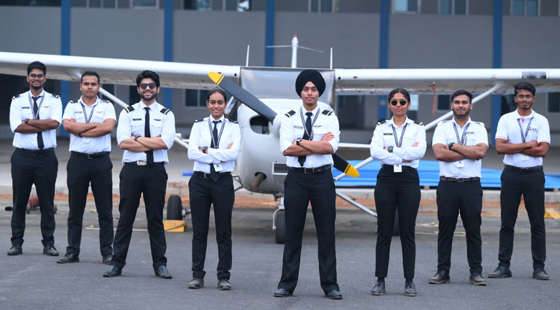
India may require up to 30,000 additional pilots over the coming decades highlighting the
importance of workforce readiness as a key pillar of aviation growth.
Fleet Expansion Signals Long-Term Industry Transformation
The scale of aircraft orders reflects strong confidence in India’s aviation market and its long-term
potential. Rising domestic connectivity, increasing middle-class travel demand, and expanding
international routes are reshaping the country’s aviation landscape. Rather than representing short-
term capacity adjustments, these fleet orders indicate a structural shift toward sustained expansion.
However, fleet growth must be supported by corresponding advancements in infrastructure,
regulatory frameworks, and human capital development to ensure long-term sustainability.
Pilot Availability as a Strategic Priority
The projected requirement for thousands of pilots underscores a critical operational challenge. Each
new aircraft entering service requires a trained and certified pilot pool to maintain safety standards,
scheduling flexibility, and operational efficiency.
Meeting this demand will require a coordinated effort across airlines, training organisations,
regulators, and industry stakeholders. Expanding flying training capacity, strengthening certification
processes, and improving access to high-quality aviation education will be essential to bridging the
anticipated talent gap.
Strengthening the Aviation Ecosystem
India’s aviation strategy increasingly focuses on building an integrated ecosystem encompassing
operations, training, financing, and infrastructure development. Workforce planning — particularly
pilot training — will be central to ensuring that fleet expansion translates into sustainable industry
growth.
In parallel, the increasing scale of aircraft acquisitions reinforces the role of structured financing and
leasing solutions. As airlines seek flexibility and capital efficiency, aircraft leasing continues to play an
important role in supporting fleet modernisation and operational scalability.
Looking Ahead
India’s aviation market stands at a defining moment, with strong growth indicators supported by
policy initiatives and industry investment. The anticipated requirement for a large number of trained
pilots highlights both the opportunity and responsibility associated with this expansion phase.
As stakeholders across the aviation value chain align around long-term development strategies,
continued focus on human capital, infrastructure readiness, and financial innovation will be critical in
shaping the next chapter of India’s aviation journey.